Six home espresso machines worth buying as your first, from a slim budget pick to an all-in-one with a built-in grinder, and how to choose between them.
By the Kettle & Crema team · Updated November 16, 2026 · How we research
Kettle & Crema is reader-supported. As an Amazon Associate we earn from qualifying purchases, at no extra cost to you. How this works.
A first espresso machine has one job: make it easy to pull a good shot on a Tuesday morning, so that you keep using it. The machines that fail beginners are not the cheap ones or the expensive ones. They are the ones that take fifteen minutes to heat up, or that punish every small mistake with a sour, thin cup.
We compared the specifications, repair records and owner feedback of the machines people actually buy, and narrowed the field to six. Each earns its place for a different kind of buyer, and we say plainly who should skip it.
The machine we point most first-time buyers to. Breville rates its heating system at three seconds from cold to brewing temperature, it holds that temperature steadily, and the automatic steam wand textures milk to a set temperature and foam level while you do something else. It is also barely wider than a kettle. You will need a separate grinder, which is the right way round: the grinder matters more than the machine.
Heat-up
3 seconds (maker’s figure)
Portafilter
54 mm
Milk
Automatic steam wand, 3 temperatures and 3 foam levels
Water tank
1.9 L / 64 oz
Grinder
Not included
What we like
Near-instant heat-up suits a weekday morning
Hands-free milk that is genuinely café-smooth
Small footprint
What to know
Needs a capable grinder alongside it
Light body can shift when you lock in the portafilter
One box, one plug, one learning curve. The Barista Express builds a conical burr grinder into the machine, so you go from whole beans to espresso without buying or finding room for a second appliance. It has been on sale for over a decade and remains one of the most-bought espresso machines on Amazon for a reason: it teaches you real espresso technique at a sensible price.
Grinder
Built-in conical burr, 16 settings
Portafilter
54 mm
Temperature control
Digital PID
Water tank
2 L / 67 oz
Milk
Manual steam wand
What we like
Grinder and machine in one footprint
Pressure gauge helps you learn what a good shot looks like
Huge community of owners and tutorials
What to know
Built-in grinder has coarse steps for fine-tuning
Slower to steam milk than dual-boiler machines
If the grinder fails, the whole unit goes for repair
The cheapest way into real pump espresso that we are comfortable recommending. The Stilosa has a 15-bar pump and a manual steam wand, and its pressurised baskets forgive pre-ground coffee and inexpensive grinders. It will not match the machines above for consistency, but it will make a proper latte and tell you whether this hobby is for you before you spend more.
A small, heavy, Italian-made box with the same 58 mm portafilter size cafés use. Newer stock is labelled Classic Pro E24; it is the same machine with a revised boiler. The Classic has been built to much the same pattern since 1991, which means every part is replaceable and there is a modification or repair guide for anything you can imagine. Choose it if you like the idea of a machine you keep for fifteen years and learn inside out.
At roughly 15 cm (6 in) wide, the Dedica fits where nothing else will: studio flats, galley kitchens, the gap next to the toaster. It heats quickly, the metal body feels more expensive than it is, and the steam wand copes with a cappuccino or two. Like the Stilosa it uses pressurised baskets, so it flatters cheap grinders but caps how good the espresso can get.
Espresso, filter-style coffee and cold brew from one machine, with a built-in grinder that weighs the dose for you and suggests a grind setting as you go. The frothing jug whisks and heats milk hands-free. It has been one of the fastest-selling coffee machines on Amazon since launch because it removes most of the guesswork for households where everyone wants something different.
Espresso is far more sensitive to grind than any other brewing method. A modest machine with a capable grinder will beat an expensive machine fed pre-ground coffee every time. If your total budget is fixed, split it roughly half and half, or choose a machine with a grinder built in.
Pressurised or unpressurised baskets
Budget machines use pressurised (dual-wall) baskets that create resistance artificially, so they work with pre-ground coffee and basic grinders. Unpressurised baskets need a precise grind but produce sweeter, fuller espresso. Several machines here include both, which lets you start easy and progress.
How you will make milk drinks
If most of your drinks are lattes and flat whites, the steam wand matters as much as the espresso. Automatic wands texture milk for you. Manual wands take a few weeks of practice and then give you more control. Small single-boiler machines make you wait between brewing and steaming.
Heat-up time and footprint
A machine that is ready in seconds gets used daily. One that needs fifteen minutes becomes a weekend toy. Measure the space under your wall cabinets too: several popular machines are taller than they look in photos, and you need room above to fill beans and water.
Frequently asked questions
How much should I spend on a first espresso machine?
Enough to get a pump machine with stable temperature and a usable steam wand, plus a burr grinder. In practice that means choosing from the budget and mid-range tiers in this guide. Spending more buys convenience and build quality rather than dramatically better coffee at this level.
Do I really need a separate grinder?
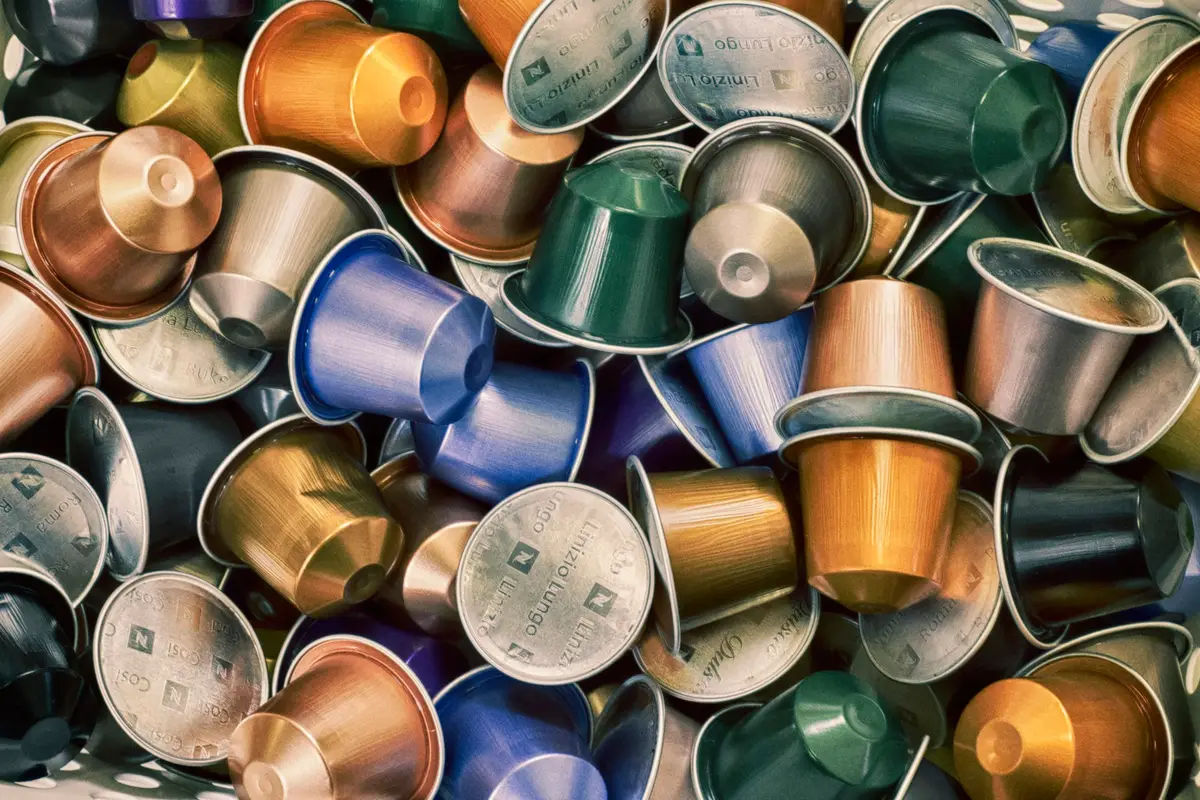
Unless your machine has one built in, yes. Pre-ground coffee is too coarse and too stale for unpressurised espresso. If you want to avoid a grinder altogether, pick a machine with pressurised baskets or consider a pod machine instead.
Is a built-in grinder better than a separate one?
It is tidier and cheaper up front. A separate grinder is easier to upgrade and means a fault in one does not take out the other. Beginners who value simplicity are well served by an all-in-one.
Are 15-bar or 20-bar machines better than 9-bar ones?
No. Espresso is brewed at around 9 bar. The larger number is the pump’s maximum rating and tells you nothing about the quality of the shot.